The Guide to Diamonds
Diamond Cut
What Is Diamond Cut?
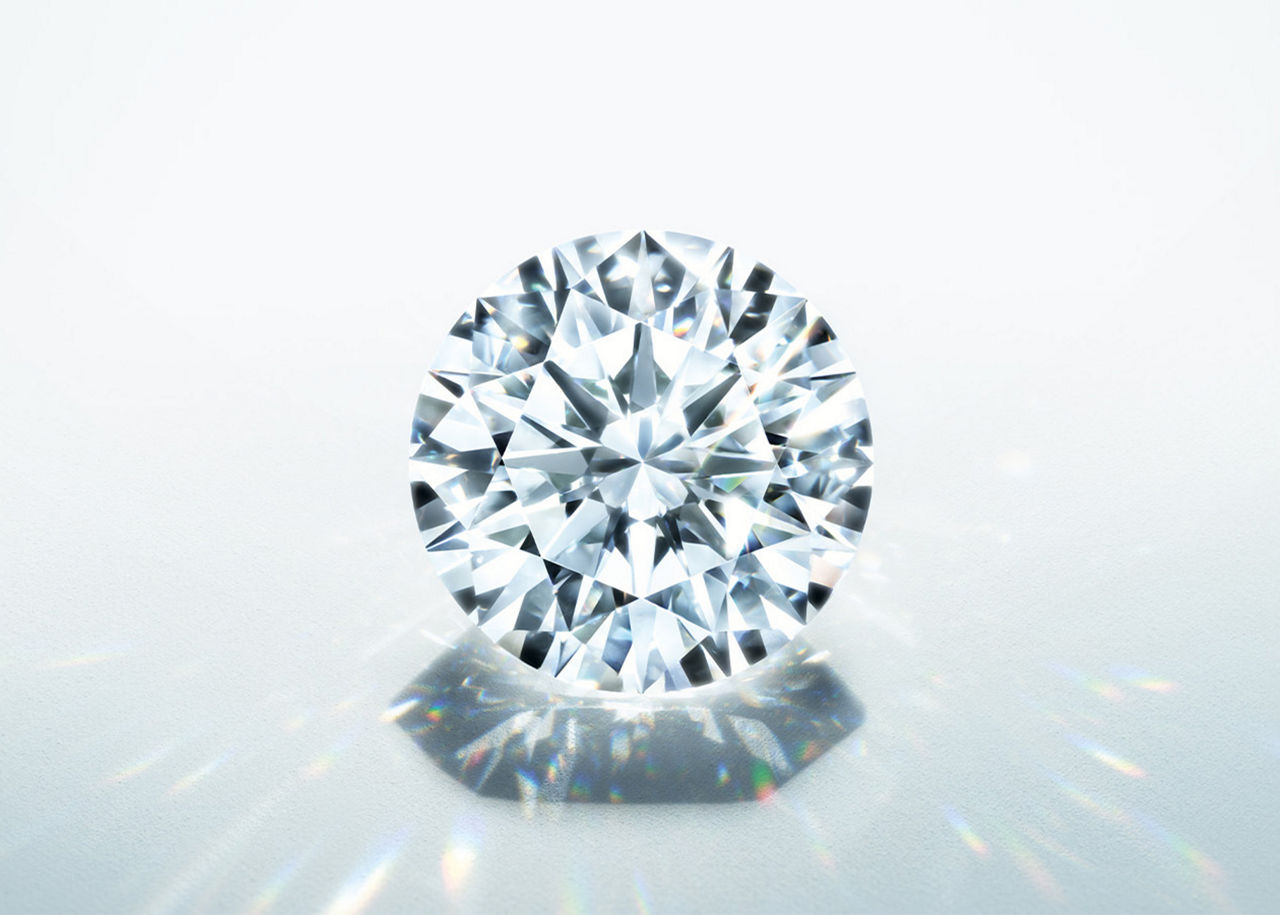
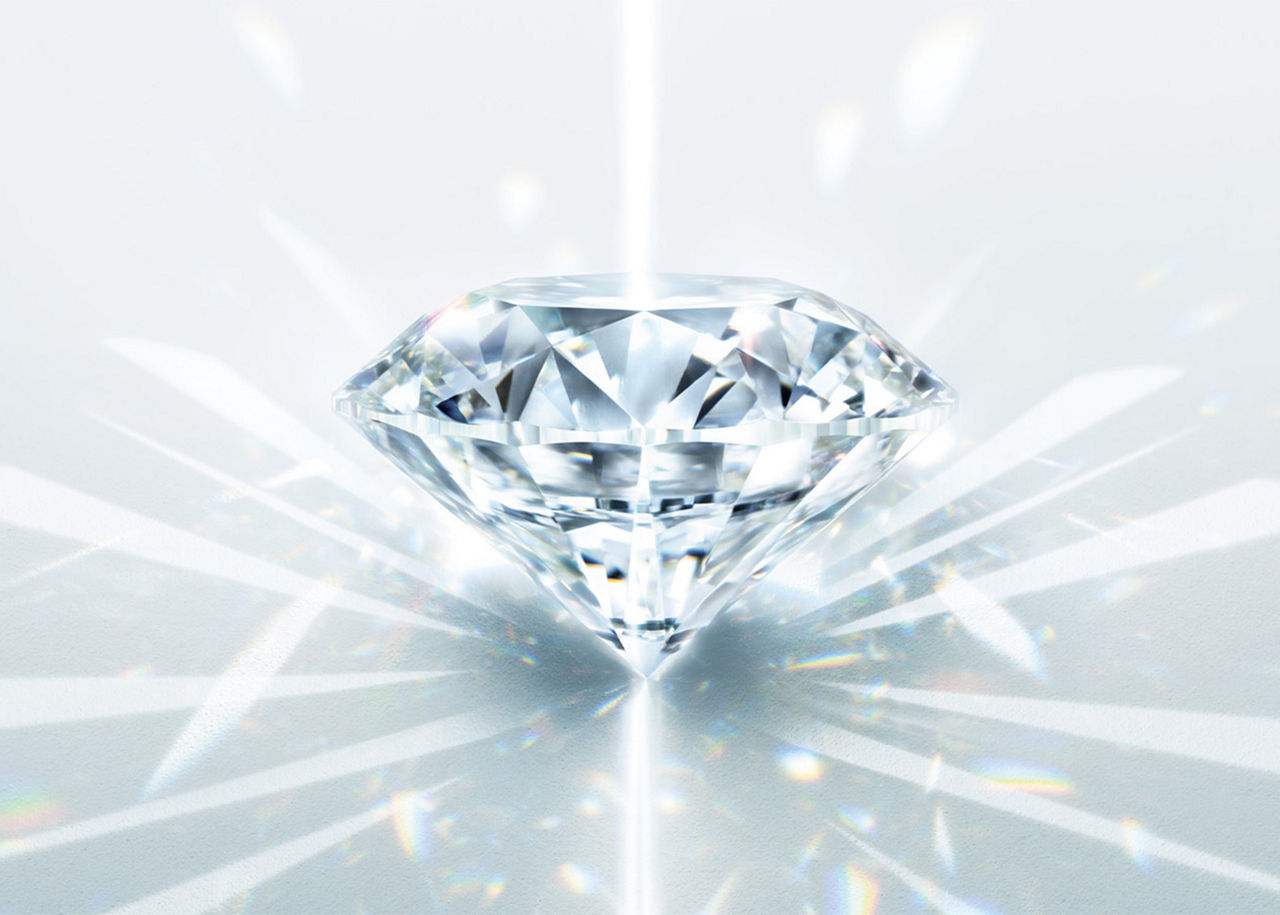
Cut is determined by symmetry, proportion and polish. More than any other factor, cut determines the beauty of the stone. Tiffany diamonds, from the smallest to the largest stone, are always cut to prioritize brilliance over carat weight.
Diamond cut is often interchanged with diamond shape; however, they refer to different things. The most important of the 4Cs, cut refers to how a diamond’s facets interact with light, whereas diamond shape refers to the geometric appearance of a diamond.
Diamond cut is often interchanged with diamond shape; however, they refer to different things. The most important of the 4Cs, cut refers to how a diamond’s facets interact with light, whereas diamond shape refers to the geometric appearance of a diamond.
Why Is Diamond Cut Important?
Put simply, cut is responsible for the quality of a diamond’s sparkle. If a diamond is cut poorly, it will appear dull even if it has a high color and clarity grade. If a diamond is cut well, it will reflect and refract light for maximum brightness and sparkle.
At Tiffany, our in-house artisans are committed to crafting the most expertly proportioned diamonds, and all our round brilliant engagement diamonds are rated triple excellent as a result. This precision is what sets Tiffany diamonds apart.
At Tiffany, our in-house artisans are committed to crafting the most expertly proportioned diamonds, and all our round brilliant engagement diamonds are rated triple excellent as a result. This precision is what sets Tiffany diamonds apart.
The Tiffany Difference
Triple Excellent Cut
Diamond Education
Diamond Cut Grading Chart

While most jewelers accept “excellent,” “very good,” “good,” “fair” and “poor” cuts, Tiffany refuses to compromise by cutting our diamonds to meet the House’s exacting standards. Diamonds offered by competitors are sometimes cut too deep or too shallow, allowing light to escape through the sides and bottom. They can also have misaligned facets, which interrupts the movement of light.
The gemological standards in this section refer only to individually registered engagement diamonds set in certain ring styles.
The gemological standards in this section refer only to individually registered engagement diamonds set in certain ring styles.
Types of Diamond Cuts
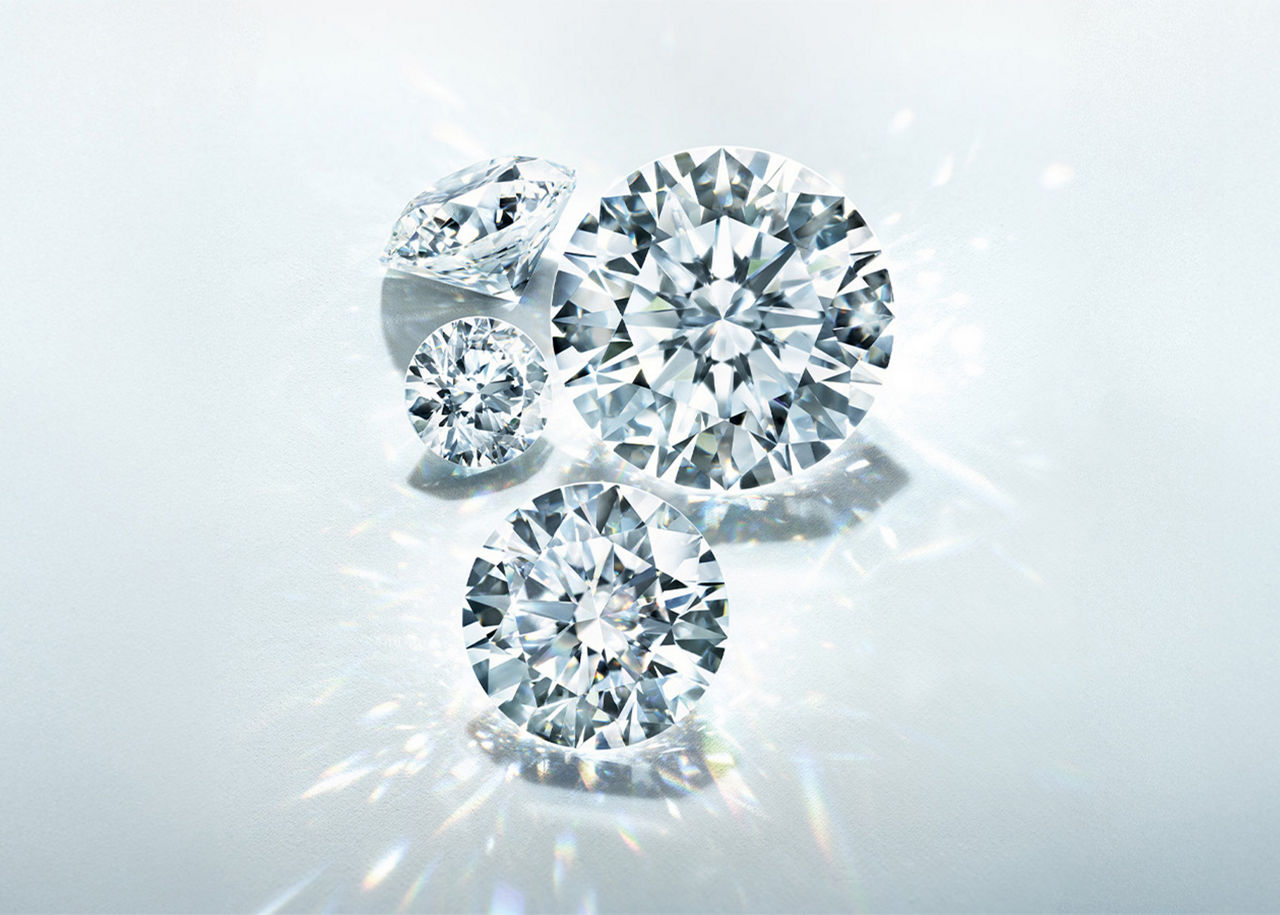
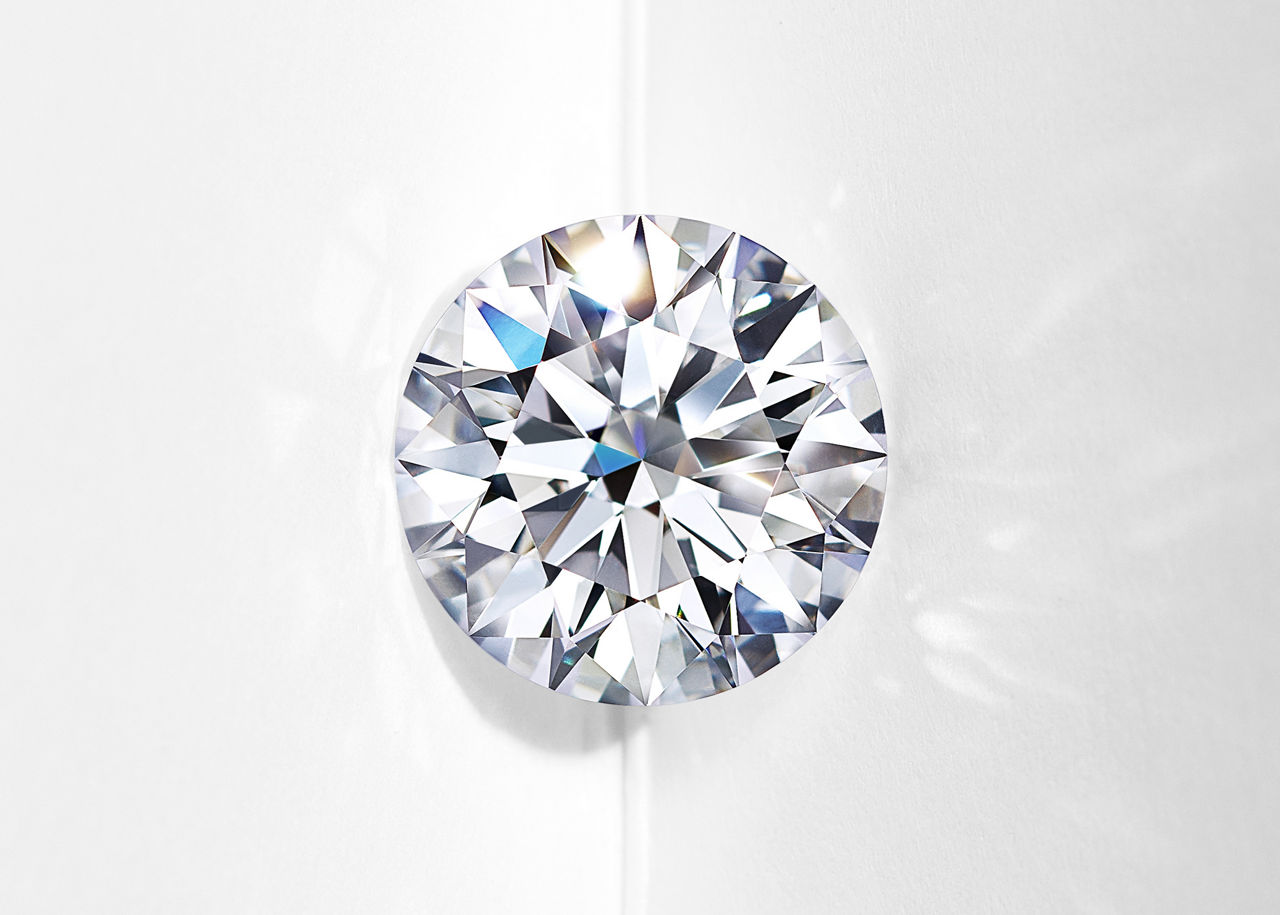
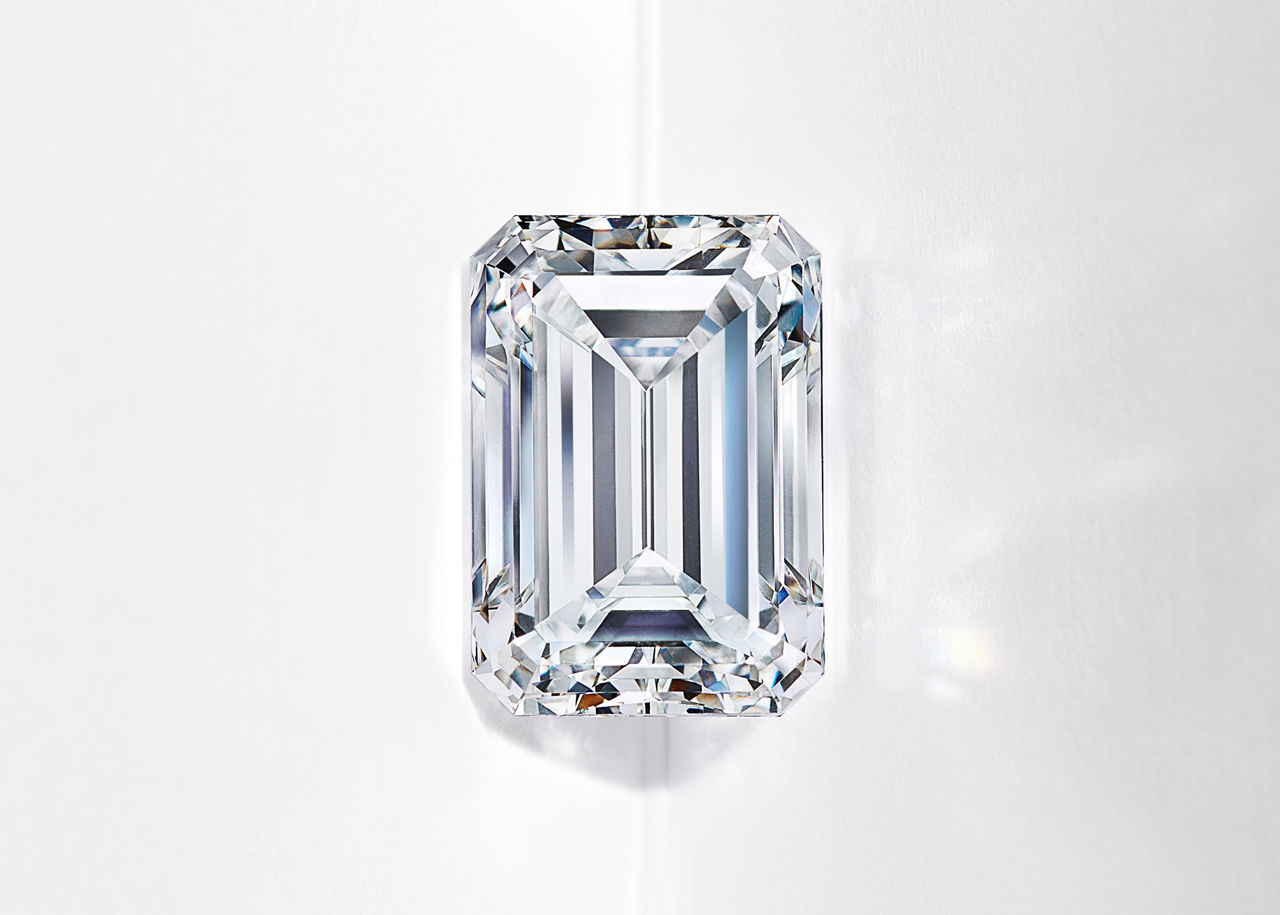
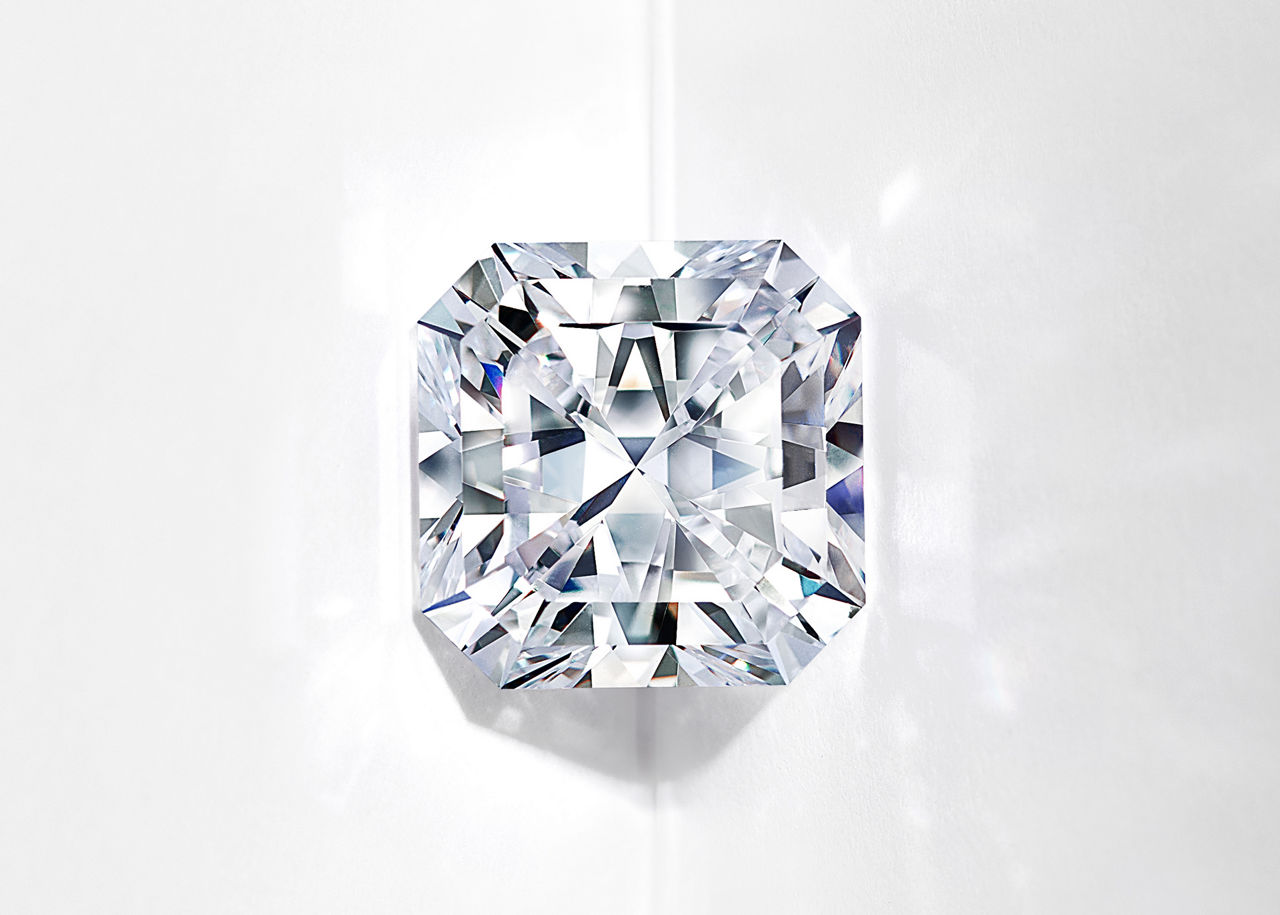
All Tiffany diamonds are masterfully cut to maximize brilliance. There are three diamond cuts used to craft every diamond shape: brilliant cut, step cut and mixed cut.

Speak with a Tiffany Diamond Expert
Tiffany Diamond Experts are delighted to assist you as you begin your engagement ring journey, from sharing information on the 4Cs to trying on engagement rings or customizing a design.
Frequently Asked Questions
Diamond cut is determined by symmetry, proportion and polish. Diamond cutting is the process of turning a rough stone into a faceted one. More than any other factor, cut determines the beauty of the stone. Tiffany diamonds, from the smallest to the largest stone, are cut to exacting standards.
The round brilliant diamond, which has 57 to 58 facets, is the most brilliant of the diamond cuts. Cushion, oval, marquise, pear and heart-shaped diamonds are also cut using the brilliant faceting style and are similar to the round brilliant in degree of sparkle.
It’s important to note that diamond cut and diamond shape are not the same thing. A diamond’s cut determines how its facets interact with light. A shape describes the geometric appearance of a diamond. Cut defines what the shape of a rough diamond will be—not the other way around. This is why diamond shapes are often interchangeably referred to as cuts.
Tiffany & Co. has nearly 1,500 in-house artisans. Master artisans cut and polish Tiffany diamonds in our Botswana, Cambodia, Vietnam, Mauritius and Belgium facilities to the highest standards.